From the Hangar to the Flight Deck: A Connectivity Customer Story

A successful aircraft connectivity installation is about more than getting a system installed and powered on. It requires planning, coordination, attention to detail, and a clear understanding of how the aircraft will be used once it leaves the hangar.
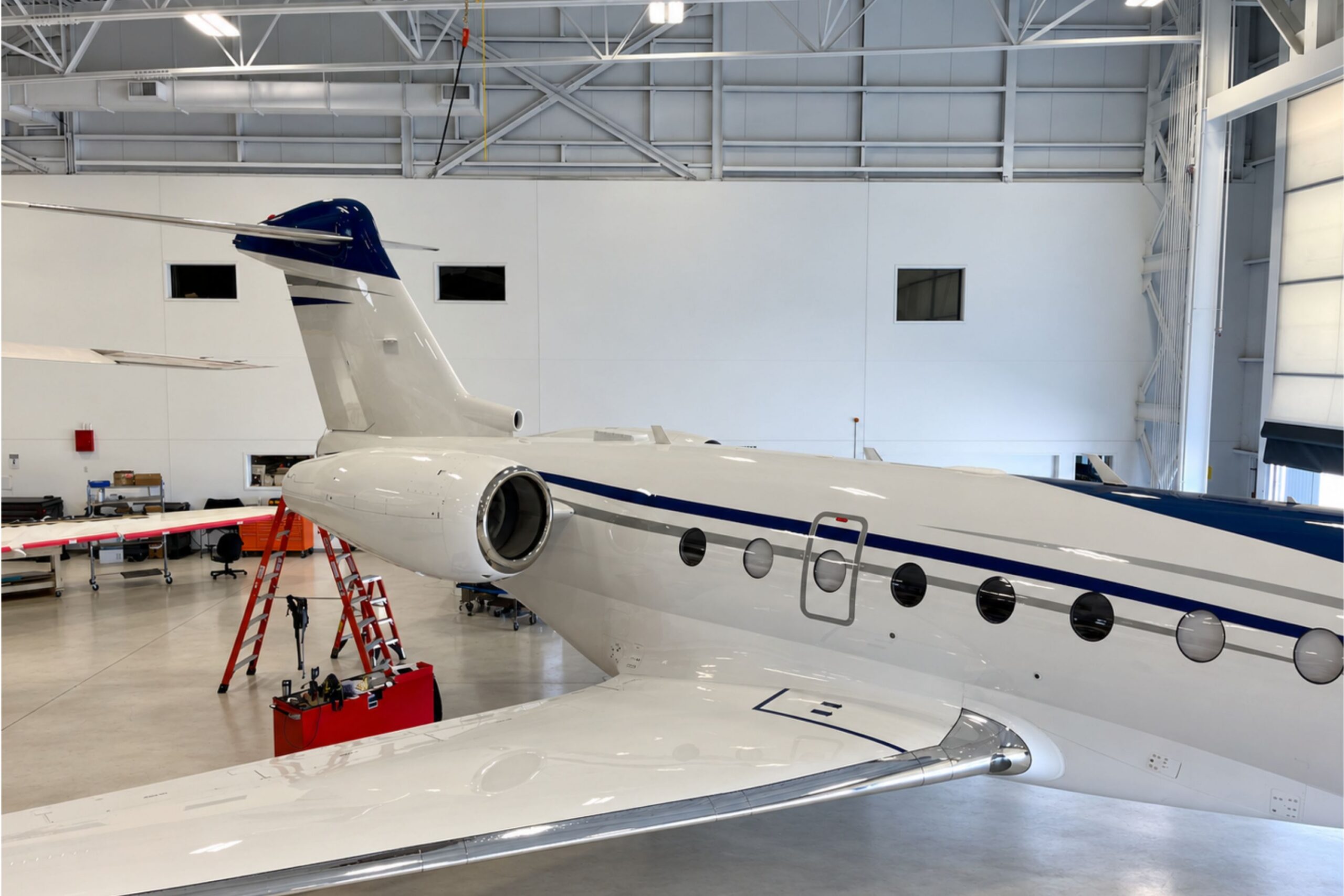
The process began months before the aircraft arrived at Pro Star Aviation for an in-flight connectivity (IFC) upgrade to include the new Low-Earth Orbit (LEO) technology. For the Gulfstream’s Director of Maintenance (DOM), what stood out first was the preparation of the Pro Star team.
“When I showed up the morning of, the whole team was there, ready to go,” he recalled. “It was really, really smooth. As a mechanic, seeing how organized the project was before we were even there…it was just executed very well.”
Prepared Before Arrival
The project began with the proposal process in March 2026, followed by a planned 10-day installation window in June. When the aircraft arrived, the Pro Star Aviation team was ready to put that time to work.
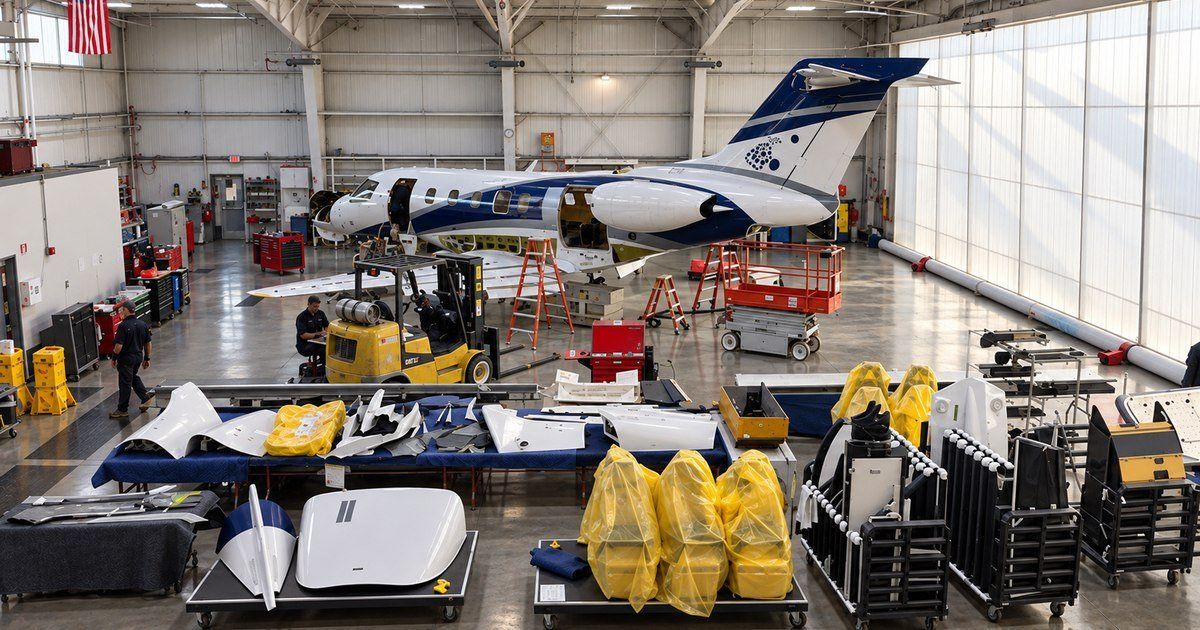
The DOM noted the small details: the team was prepared, the work areas were organized, and project materials were identified before the aircraft was even in the hangar. That preparation helped the installation move quickly from arrival to active work.
Pro Star Aviation also used a Matterport 360° camera during the intake process to create a detailed visual record of the aircraft, providing the team with a more complete reference than traditional inspection photography alone.
Process and Quality Assurance
That same level of preparation carried into the quality assurance process. Pro Star Aviation’s QA team was already familiar with the customer’s Part 135 requirements, allowing the paperwork and physical installation to move forward together.
Throughout the project, the DOM noted the responsiveness of the team and the daily communication that helped keep the installation on track.
“We kept in touch on a daily basis throughout the project,” he said. “Towards the end, they came in for a couple extra hours during the weekend to really make sure everything was perfect.”
By the time the aircraft was ready for system testing, the team had already coordinated the initial setup process so the aircraft could be powered up and tested efficiently.
Reliable Connectivity in Real Operations
The result was noticeable immediately once the system was powered on.
“We had the fastest internet I think we’d ever seen,” the DOM said. “I clicked on a video and by the time my thumb left the screen, the video was already playing. It was just insanely fast.”
That first impression continued in flight. After approximately 45 to 48 flight hours, the aircraft had experienced reliable connectivity across domestic and international operations, including flights between the United States, Portugal, and the Azores.
On one return flight from Portugal, the aircraft had eight passengers and three crew members onboard, with users streaming, working, communicating, and using flight tools at the same time. The customer reported no interruptions during that mission.
Support Beyond the Cabin
For the Gulfstream DOM, the most meaningful part of the system was not only speed, but access.
During one transatlantic flight, a flight attendant encountered an issue with a jump seat. Through a FaceTime call, the maintenance professional was able to see the issue firsthand and quickly identify a seatbelt obstruction that was preventing the seat from deploying properly.
Without that connection, the issue could have created a much more uncomfortable situation for the remainder of the flight.
“Just being able to FaceTime for a few minutes while she was over the Atlantic with full clarity and perfect audio was pretty wild,” he said. “Coming from an airplane that did not have connectivity over the water, it’s been a huge jump for us to have that access.”
Whether its Starlink or Gogo Galileo, the new LEO connectivity gives pilots another way to communicate with maintenance support. Crews can send high-definition photos or video of in-flight messages or issues, helping determine what needs immediate attention and what can safely wait until landing.
Giving Owners Time Back
For the aircraft owner, reliable connectivity creates another important benefit: time.
Calls, meetings, and work can happen during flights instead of piling up after landing. The DOM described the change simply:
“It’s definitely giving him time back,” he said. “It’s definitely enhancing the machine that we’re flying in.”
That time saving is one of the clearest benefits of business aviation connectivity. Passengers can remain productive in flight, communicate in real time, and arrive with less catch-up waiting for them on the ground.
A Clean Installation That Became Part of the Operation
According to the Gulfstream DOM, the installation continued to look clean and well-integrated, with no reported impact on aircraft speed or cabin noise.
What began as a connectivity upgrade had become an operational tool, supporting passengers, crew, maintenance communication, and the overall mission.
“I mean, it is a really great product,” he said. “And honestly, the Pro Star facility was awesome…I really have nothing but good things to say.”
For Pro Star Aviation, the project reflects the value of combining technical planning, installation experience, quality assurance, and customer-focused execution to deliver connectivity solutions that work beyond the hangar.
To learn more about aircraft connectivity solutions, contact Pro Star Aviation.